
Table of contents
- Introduction
- Which Vegetarian Food Options Contain Vitamin D
- Non-Dietary Sources of Vitamin D
- When to eat Vitamin D tablets
- Conclusion
- FAQs
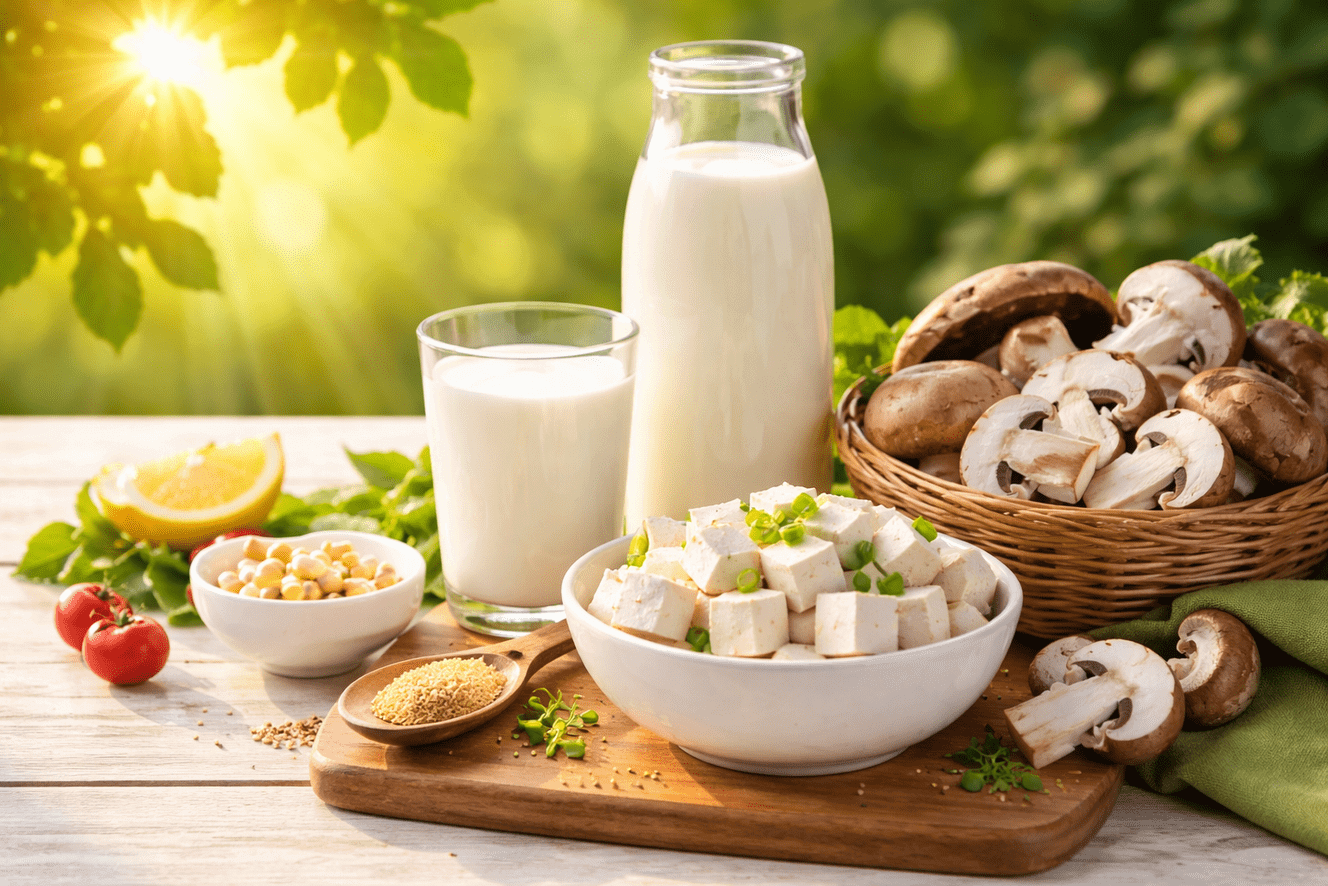
Best sources of Vitamin D for vegetarians include natural sunlight, some varieties of cheese, and fortified foods like milk, yoghurt, and cereals. Fruits rich in fats and magnesium should also be consumed to enhance Vitamin D absorption. People can also take multivitamin tablets to bridge those nutritional gaps that a daily diet might lack.
Introduction
Vitamin D is essential for calcium absorption. This helps keep bones healthy, supports the immune system, and ensures proper nerve function. However, it is one of those vitamins that is difficult to find in food, unlike the others. Vegetarians, especially with limited food options, struggle to fulfill this nutritional requirement, leading to deficiencies and health issues.
In this blog, we have curated a list of the best sources of Vitamin D for vegetarians that can support their health.
Which Vegetarian Food Options Contain Vitamin
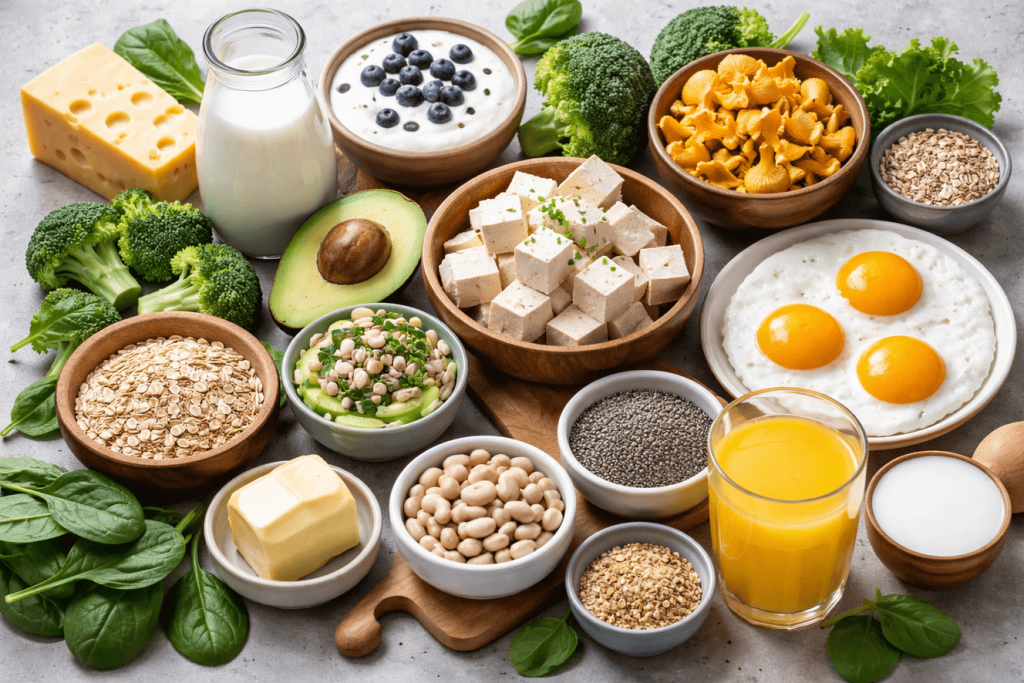
Vegetarian foods generally provide fewer sources of Vitamin D. Therefore, they need to make sure that their daily meals include this essential vitamin. Some of the best sources of Vitamin D for vegetarians are:
- Mushrooms are exposed to sunlight. Before cooking mushrooms, letting them sit in 30-40 mins of sunlight can help enhance that Vitamin D2.
- Fortified plant-based milk, like soy, almond, and oat milk
- Fortified cereals and grains enriched with Vitamin D
- Fortified orange juice
- Paneer or cottage cheese
Fruits usually do not have Vitamin D, but they can support the absorption and activation of the vitamin in the body. These fruits include:
- Bananas: Magnesium activates Vitamin D
- Avocado: Healthy fats enhance absorption
- Oranges & Berries: Vitamin C supports immune function1
Non-Dietary Sources of Vitamin
Sunlight- The best natural source
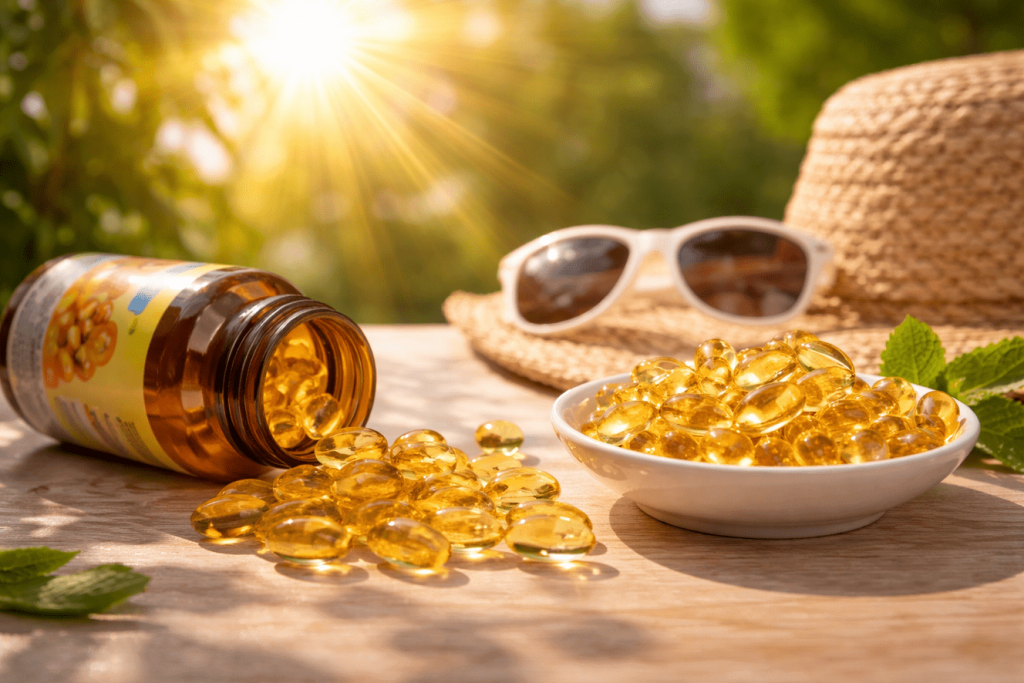
While you may struggle to find Vitamin D in everyday foods, one place it is present in abundance is sunlight. The best way to intake Vitamin D is being under the sun for 15 to 20 minutes between 9 am to 11 am, 2 to 3 times a week.
Multivitamin Tablet rich in Vitamin D
Another source that can help you meet Vitamin D requirements is multivitamin tablets rich in Vitamin D. These tablets help meet those nutritional gaps that cannot be bridged by our daily diets.
Taking a multivitamin the right way is important for better absorption of the tablet. To meet your nutritional requirements and get added energy, you can take multivitamins rich in Vitamin D after eating a filling meal. Ensure you do not consume it on an empty stomach as it can lead to acid reflux, diarrhea, etc.
Health OK multivitamin tablets can be a perfect addition to your balanced diet. It is enriched with 19+ multivitamins and minerals, including Vitamin D, Vitamin C, Zinc, along with Taurine and Natural Ginseng. Together, these nutrients can help you meet your nutritional requirements, support energy production, and maintain your health.
Conclusion
Vitamin D is an essential nutrient that our body requires for immunity, nerve function, bone health, and many other functions. There are a few easy ways vegetarians can ensure they meet their nutrient requirements and avoid deficiencies. Some popular vegetarian foods that contain vitamin D include sunlight, fortified orange juice, paneer, fortified milk, and fortified cereals. Many people also use multivitamins like Health OK multivitamin tablets, which are a good source of Vitamin D.
With conscious food choices and the right additional support, maintain a healthy and balanced lifestyle. Try Health OK multivitamins now to support energy production, immunity, and your overall well-being!
FAQs
To increase Vitamin D for vegetarians, add rich sources of this vitamin in your daily meals, including a filling breakfast, lunch, and dinner, and spend time under the sun 2-3 times a week. Multivitamins taken post-meal can also be a good addition to your balanced diet.
Add rich Vitamin D food sources to your diet, like fortified orange juice, paneer, fortified milk, cereals, etc. Along with these, you should also eat bananas, oranges, and avocados to support Vitamin D absorption and activation.
Some prominent reasons that can cause a Vitamin D deficiency are limited exposure to sunlight, inadequate meals, and body issues with nutrient absorption.